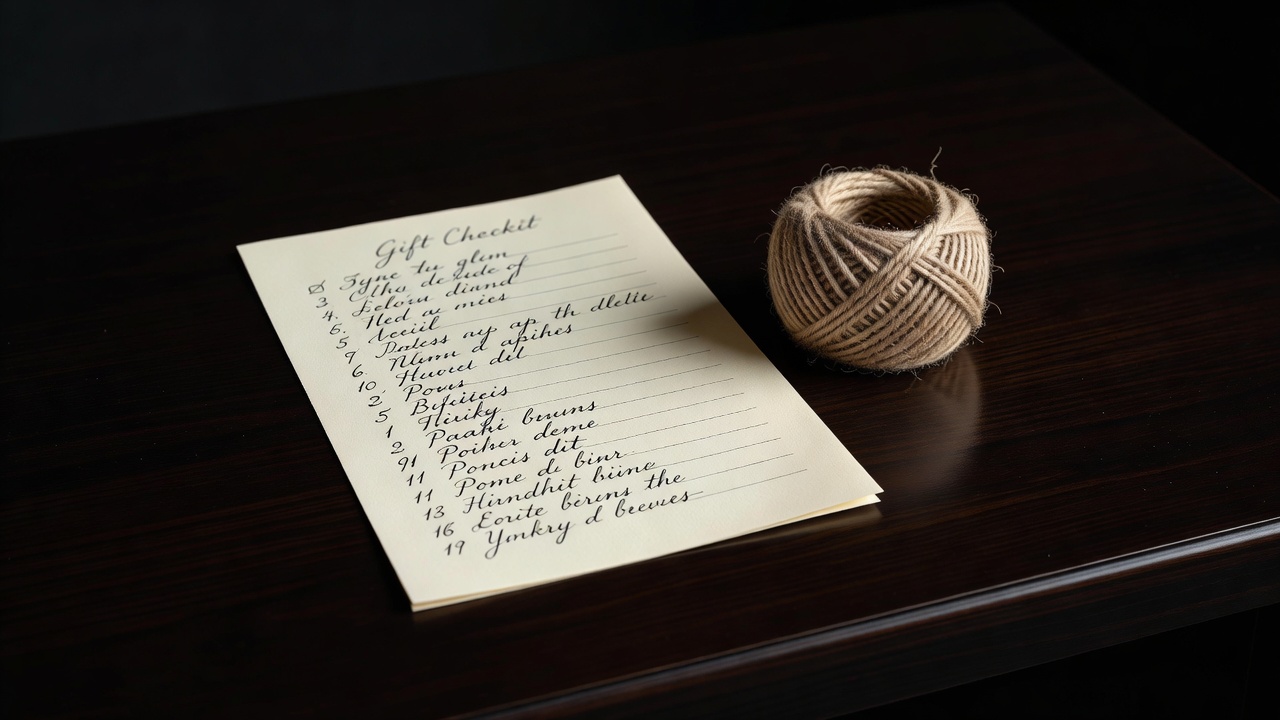
The five-step matching route
- Write down the clue. Keep it concrete: a recurring task, a stated wish, an interest they actively pursue, or an item they are replacing.
- Describe the benefit. What would the gift let them do, and why might that matter to them? If the benefit is hard to explain, pause.
- Check the practical fit. Verify size, compatibility, material, accessibility, storage, and maintenance. These details can matter more than extra features.
- Look for a mismatch. Could it duplicate something, conflict with their taste, require a new habit, or create unwanted upkeep? Consider whether an alternative would be easier.
- Keep choice available. When personal preferences are uncertain, consider an exchangeable item, a flexible voucher, or asking the recipient what would suit them.
Compare ideas by fit, not by price
Make a short list and compare each option using the same questions: Does it support a real preference? Will it be used in a likely setting? Is it simple to maintain? Is there enough information to know it fits? A modest object that answers those questions well may be more thoughtful than a costly item chosen on assumption.
The best match is not the most impressive object. It is the one with the clearest place in the recipient’s life.
When asking is the thoughtful move
Surprise is optional. For equipment, fit-sensitive items, technology, and anything that takes up space, a direct question can prevent waste. You can preserve warmth by asking about the category or need while leaving the exact choice open.
A final checklist
- Can I name the clue that led to this idea?
- Does the recipient want this kind of help?
- Have I checked the practical details?
- Can they exchange or adapt it if needed?